
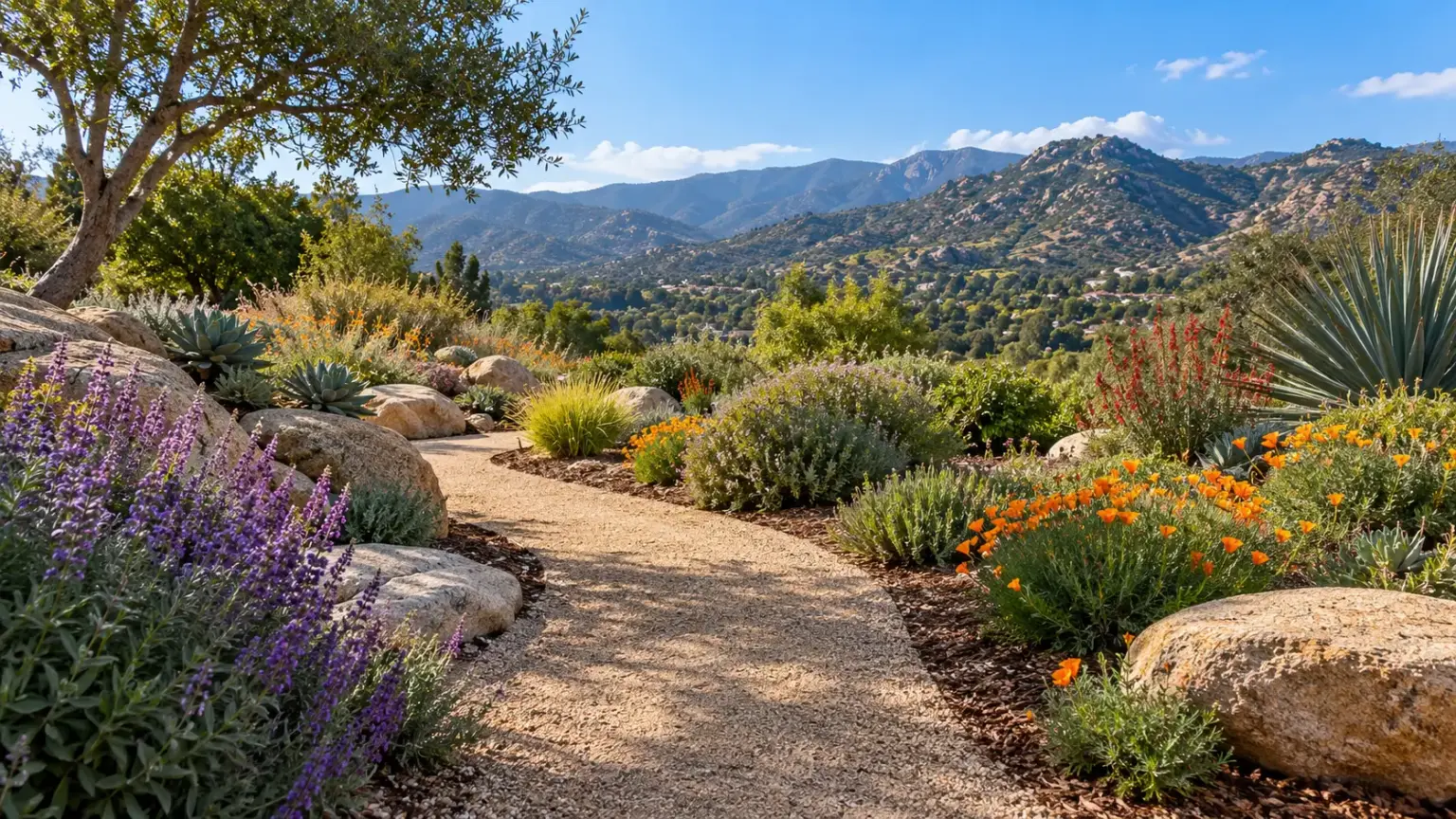
El Cajon’s warm summers can make maintaining a beautiful yard challenging, especially when residents are trying to use water more thoughtfully. Fortunately, a colorful landscape does not have to depend on thirsty grass or frequent sprinkler cycles. Water-wise gardening in El Cajon offers another approach: choose plants suited to local conditions, protect the soil, and deliver water where roots actually need it.
October is a good time to begin planning. As days grow shorter and temperatures gradually ease, homeowners can assess their landscaping before the cooler planting season. A garden can be attractive, welcoming to pollinators, and practical for an East County home without looking bare or unfinished.
This guide shares fall planting ideas, native-plant resources, irrigation tips, and a local place to see water-smart landscaping in action.
Why Water-Wise Landscaping Makes Sense in East County
El Cajon experiences hot, sunny periods when lawns and poorly matched plants can require considerable irrigation. A water-wise yard addresses that problem through design rather than relying on a single drought-tolerant plant. It considers sunlight, soil drainage, plant size, water requirements, and the way the outdoor space will be used.
The U.S. Environmental Protection Agency’s WaterSense landscaping guidance recommends choosing appropriate plants, supporting healthy soil, and grouping plants with similar irrigation needs. These practices can reduce waste while leaving room for shade, flowers, seating areas, and family activities.
Water-wise does not necessarily mean eliminating every patch of lawn. A small, purposeful play area may be more useful than an entire yard covered in grass.
Why Fall Is the Right Time to Plan Native Planting
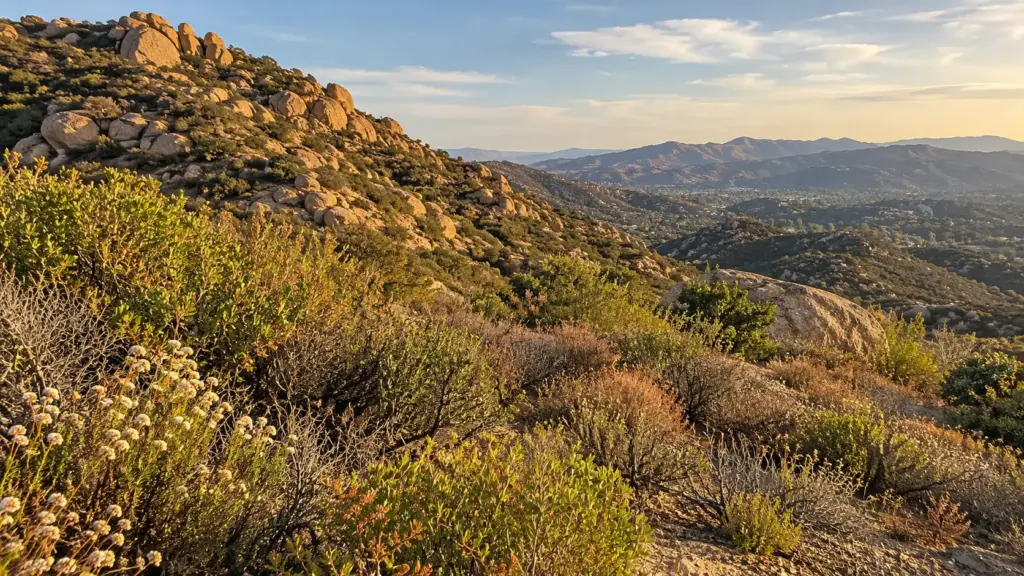
California’s Mediterranean-type climate makes the cooler months especially important for establishing many native plants. Rather than placing young shrubs in the ground just before summer heat, gardeners can use the fall and winter season to encourage root development.
University of California Agriculture and Natural Resources recommends fall planting for California natives, explaining that warmer soil and seasonal rainfall can help new plants become established before the following summer. In El Cajon, actual planting dates should still depend on weather, soil conditions, and the needs of each species.
Newly installed native plants are not immediately maintenance-free. They generally require supplemental water during establishment, even when mature specimens can tolerate long dry periods. Check the care information for each plant rather than following one watering schedule for the whole yard.
Choose Native Plants That Fit Your Space
Instead of picking plants only by flower color, start with the conditions in your yard. Is a planting bed shaded in the afternoon? Does rainwater drain quickly, or does it collect near the foundation? Is the garden exposed to reflected heat from pavement? Answers to these questions can guide more successful choices.
California buckwheat, certain native sages, California fuchsia, and appropriately selected manzanitas or ceanothus varieties may be worth researching for sunny, lower-water landscapes. They vary in mature size, soil preferences, maintenance, and seasonal appearance. Not every variety suits every El Cajon yard.
The Calscape native plant database is useful for researching plants by location and growing requirements. The UC Master Gardeners of San Diego County native-plant brochure also stresses selecting locally adapted plants and grouping those with similar water needs.
Visit The Water Conservation Garden in El Cajon
Residents who want to see examples before making changes can visit The Water Conservation Garden at 12122 Cuyamaca College Drive West in El Cajon. The nearly six-acre destination presents themed gardens and practical exhibits focused on water conservation and sustainable landscaping.
Visitors can explore native plant displays, a vegetable garden, mulch and irrigation demonstrations, and other examples that make water-smart design easier to visualize. Instead of relying only on nursery labels, homeowners can compare textures, plant groupings, pathways, and the role of ground cover in a finished space.
The Garden’s published regular hours are Tuesday through Thursday, 9 a.m. to 2 p.m., and Friday and Saturday, 9 a.m. to 4 p.m.; it is normally closed Sunday and Monday. Confirm current admission details and closures before visiting. For more local places to explore, see our El Cajon hidden gems guide.
An October 2026 Opportunity to Learn
On Saturday, October 31, 2026, The Water Conservation Garden has a scheduled Water District Wave-In Day. According to the Helix Water District event listing, eligible customers of participating districts, as well as eligible college students and staff, can receive free garden admission when they present a current water bill or qualifying credentials. Other visitors should check regular admission policies.
The event offers a timely reason to learn about water-saving landscapes before winter planting. Visitors can bring questions about irrigation, mulching, and low-water plant selection, then follow up using the Garden’s educational resources and future program calendar.
For more community activities beyond gardening, browse the El Cajon events category.
Water More Efficiently, Not Just Less Often
Good plant selection works best with appropriate irrigation. Sprinklers that spray sidewalks, clogged emitters, and schedules that do not change with the seasons can waste water regardless of what grows in the yard.
The EPA’s WaterSense watering tips recommend checking irrigation equipment, adjusting schedules to weather, and considering microirrigation that delivers water slowly near plant roots. A drip system can be helpful in planted beds, but it still needs regular inspection for leaks and blockages.
Group plants with similar watering needs into the same irrigation zone. For example, a thirsty vegetable bed should not automatically share a watering schedule with established drought-adapted shrubs.
Use Mulch and Pay Attention to Drainage
Mulch is a small change that can make a meaningful difference. Organic mulches can help slow evaporation, moderate soil temperatures, and suppress weeds. The right material depends on the plants and the site; avoid piling mulch against tree trunks or shrub crowns.
Drainage is equally important. Many California native plants dislike soggy roots, particularly during cool weather. A successful garden may use a combination of thoughtful grading, correctly spaced plants, permeable pathways, and irrigation that does not saturate the planting bed.
Keep Pollinators in the Picture
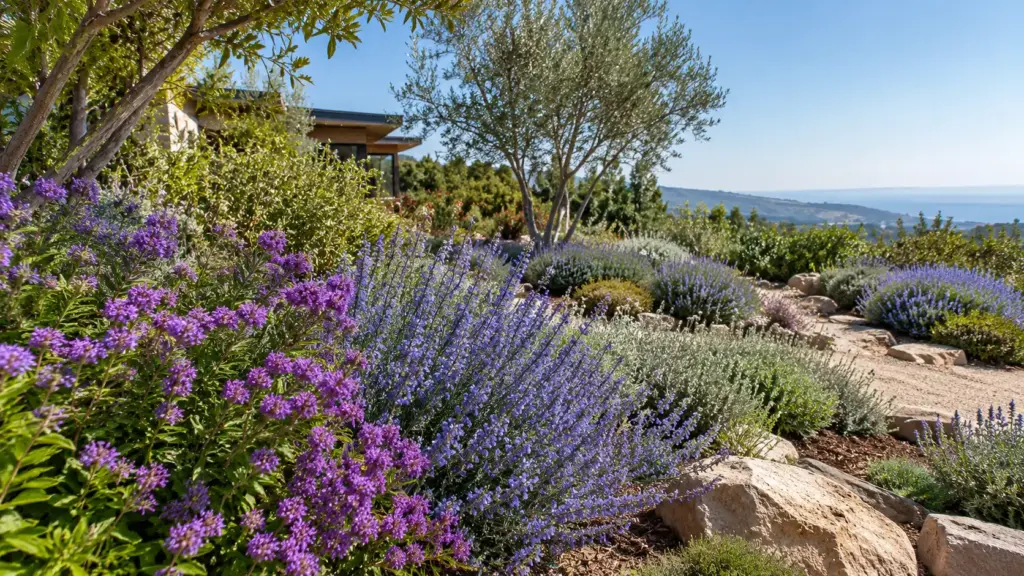
Water-wise gardens can also support local wildlife. Native flowering plants may offer nectar, pollen, and habitat for bees, butterflies, and birds.
Avoid assuming that every plant advertised as drought-tolerant has equal wildlife value. Locally appropriate native species can contribute to habitat while also suiting the climate. Leave some natural texture in the garden, maintain flowering plants responsibly, and minimize unnecessary pesticide use.
For more background on local landscapes and natural attractions, explore our things to do in El Cajon guide.
Check Rebates Before Starting a Larger Project
If you are planning to replace a lawn, install a weather-based irrigation controller, or improve water retention, research incentive programs before purchasing materials. Eligibility, service-area rules, funding, and application timing can vary.
The Water Conservation Garden maintains a landscape and rebate resource directory with links to local programs and agencies. The San Diego County Water Authority is another starting point for regional conservation information.
Do not assume a rebate is guaranteed or that every El Cajon address qualifies for the same offer. Contact your own water provider, review the current terms, and find out whether approval is required before beginning work.
A Simple Fall Weekend Project Plan
You do not have to redesign the entire yard at once. Begin by walking around the property and identifying the most water-demanding or difficult-to-maintain area. Measure the space, photograph sun and shade conditions, and note any leaks or drainage issues.
Next, choose one manageable project: a small native flower border, a mulched shrub bed, repaired drip irrigation, or a redesigned corner of lawn. Research mature plant sizes so the bed does not become overcrowded, then arrange plants by exposure and watering needs. A visit to The Water Conservation Garden can help turn sketches into practical ideas.
Build a Garden That Fits El Cajon Living
A well-designed water-wise garden can be colorful, comfortable, and useful. It can make room for outdoor meals, shade, pollinators, and attractive seasonal plantings while reducing avoidable irrigation waste. The key is choosing the right plants for the right locations and giving them attentive care while they establish.
With fall planting season approaching, October is an excellent time to learn, plan, and start small. Visit a local demonstration garden, check current water-saving resources, and build a landscape that works with El Cajon’s climate rather than against it.
Find more neighborhood ideas, outdoor destinations, and practical local guides at El Cajon Living.